
Designing the Future: The Use of AR and VR in Architecture and Design
 By Oliver Davis
3 min read
13 Oct 2025
The field of architecture and design is undergoing a profound transformation with the integration of Augmented Reality (AR) and Virtual Reality (VR) technologies. These innovative tools are revolutionizing the way architects, designers, and clients visualize, conceptualize, and interact with architectural projects, offering new possibilities for creativity, collaboration, and efficiency.
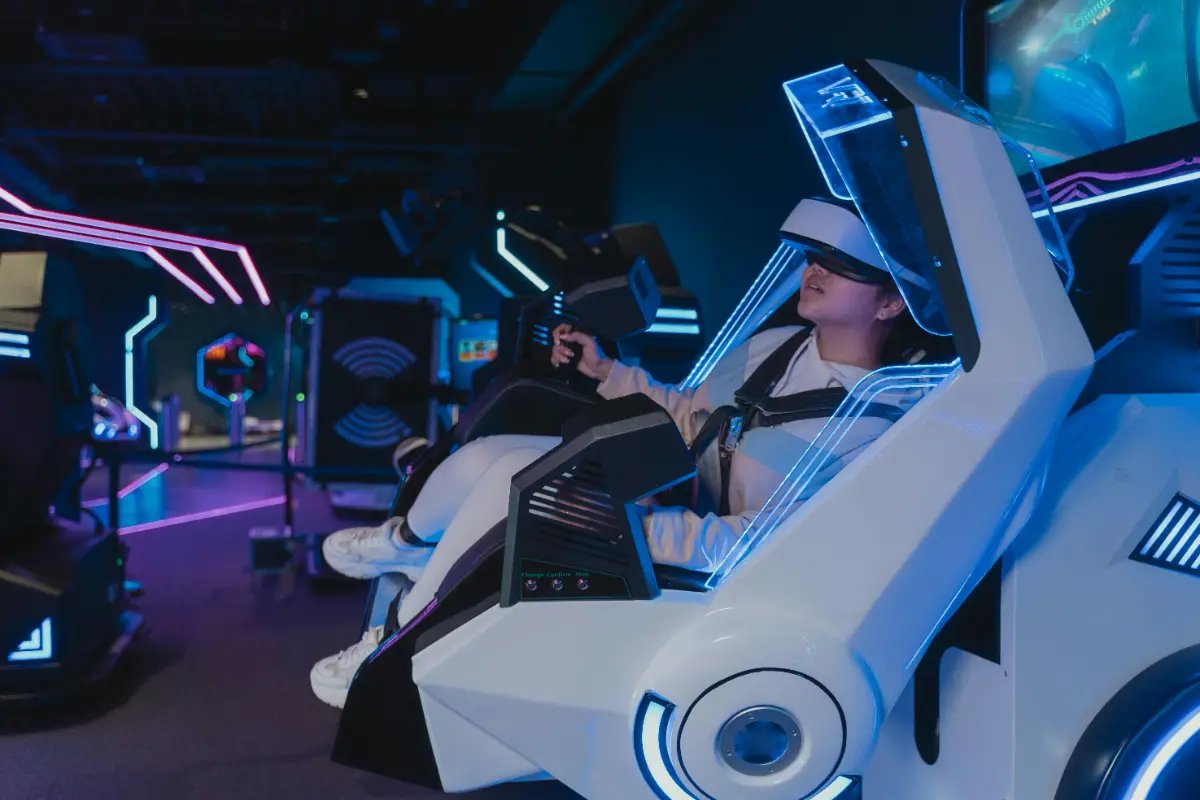
One of the primary advantages of AR and VR in architecture and design is their ability to create immersive and interactive experiences that enable stakeholders to explore and interact with virtual architectural models in a realistic manner. VR allows users to step into virtual environments and experience architectural designs at full scale, providing a deeper understanding of spatial relationships, proportions, and design aesthetics.
AR, on the other hand, overlays digital architectural models onto the real world, allowing users to visualize proposed designs in the context of their physical surroundings. This enables architects and designers to communicate design concepts more effectively to clients and stakeholders, facilitating better decision-making and reducing the need for costly design revisions.
Moreover, AR and VR technologies are transforming the design process itself by enabling real-time collaboration and iteration. Design teams can use VR collaboration platforms to work together on virtual models in real-time, regardless of their physical location. This not only streamlines the design process but also fosters greater creativity and innovation by allowing team members to explore and experiment with design ideas in a virtual environment.
In addition to streamlining the design process, AR and VR are also revolutionizing architectural education and training. Students and professionals can use VR simulations to explore architectural principles, study historical buildings, and practice design concepts in a safe and immersive environment. AR applications, meanwhile, provide on-site training opportunities, allowing users to overlay digital annotations and instructions onto real-world architectural sites for hands-on learning experiences.
As AR and VR technology continues to advance, the future of architecture and design is poised to be even more dynamic and transformative. From virtual reality tours of unbuilt architectural projects to augmented reality visualization tools that blend digital and physical design elements seamlessly, AR and VR are reshaping the way we conceive, create, and experience the built environment. By embracing these innovative technologies, architects and designers can unlock new levels of creativity, efficiency, and sustainability in their practice, paving the way for a more innovative and inclusive built environment for future generations.
The AR Breakthrough That Will Make Blockchain Transactions Simpler Than Ever!
5 min read | 15 Nov 2025
How AI Is Making Blockchain Smarter and Safer – The Inside Scoop!
6 min read | 14 Nov 2025
The Big Tech Twist: How VR Is Set to Disrupt Blockchain Like Never Before!
7 min read | 13 Nov 2025
Unlocking the Power of AR: How Augmented Reality Is Set to Revolutionize Blockchain!
6 min read | 12 Nov 2025More Articles




More Articles

The Rise of AI in Retail: Inventory Management and Sales Forecasting
4 min read | 12 Oct 2025

AI for Social Good: Humanitarian Applications and Challenges
6 min read | 11 Oct 2025

The Intersection of AI and IoT: Smart Homes and Connected Devices
7 min read | 10 Oct 2025

AI in Agriculture: Precision Farming and Sustainable Practices
5 min read | 09 Oct 2025